Real-time quantification of blood loss after birth

At Nataly, we are developing a medical device for postpartum hemorrhage detection, helping save lives through earlier intervention.
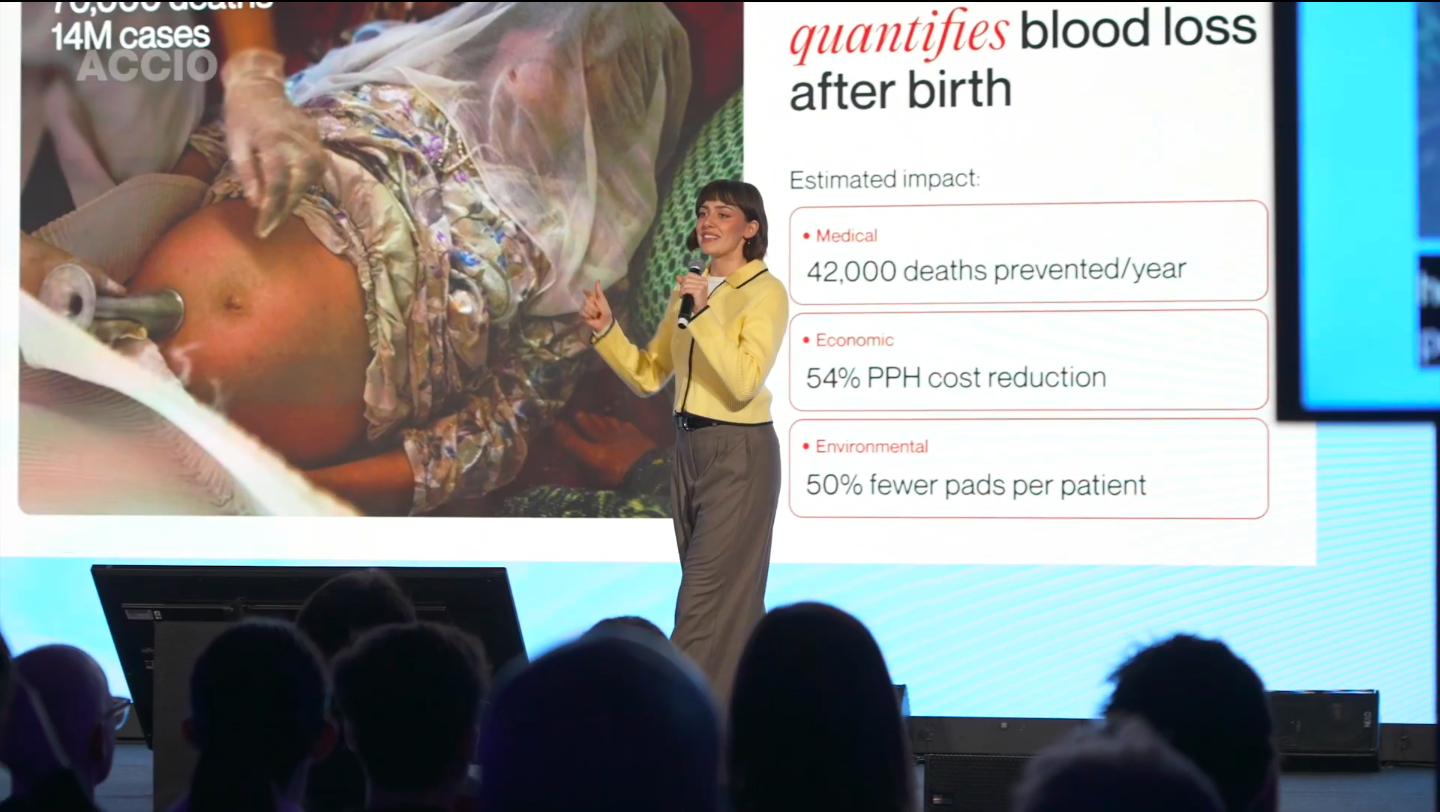
Blood loss after childbirth is still estimated visually, making postpartum hemorrhage difficult to detect. Nataly is a non-electronic postpartum pad that quantifies blood loss in real time, giving clinicians objective information to support their decisions without disrupting existing workflows. Designed to be simple and scalable wordlwide, Nataly is meant to make every single birth safer.
A postpartum pad that quantifies blood loss in real time.
• This is Nataly

Every year, thousands of women die from a condition that is preventable: postpartum hemorrhage. Despite being the leading cause of maternal death, it's often overlooked.
At Nataly, we’re changing that.
The Hidden Risk
of Childbirth
• The Setting
Maternal Health
Disparities
Worldwide
Postpartum hemorrhage is the leading cause of maternal death worldwide—yet it remains widely underestimated and under-monitored.
Simple.
Scalable.
Life-saving.
Nataly is a simple, cost-effective device designed to detect excessive bleeding immediately and support timely clinical response.
Designed to support the professionals involved in maternal care, aiming to smoothen the clinical flow and tackle PPH efficiently.
Who We Help

Patients
We help reduce complications for newborns and dignify the experience of mothers through safer, more responsive care.

Health Institutions
We help improve care protocols and outcomes at scale, offering measurable impact and data-driven strategies to support maternal health initiatives.

Healthcare professionals
We support midwives, doctors, and gynecologists
by streamlining clinical flow during labor and postpartum care.

Researchers
We provide access to real-world data and clinical insights, opening opportunities for collaboration and innovation in maternal health solutions.

Discover the story behind Nataly
Frequently Asked Questions
-
Postpartum hemorrhage (PPH) is excessive bleeding after childbirth. It is commonly defined as blood loss of more than 500 mL after vaginal birth or 1,000 mL after cesarean birth, although clinical definitions may vary. PPH is the leading cause of maternal mortality worldwide, and early detection and treatment are critical to preventing severe complications.
-
Postpartum hemorrhage is commonly detected by visually estimating blood loss and monitoring the mother’s clinical condition. Visual estimation can underestimate blood loss, potentially delaying the detection and treatment of PPH. Objective blood loss measurement can support earlier recognition.
-
Treatment of postpartum hemorrhage depends on its cause and severity. Early treatment may include uterotonic medications, tranexamic acid, intravenous fluids, and other measures to control bleeding. Severe cases may require blood transfusion, interventional procedures, or surgery.
-
The Nataly Pad is a postpartum pad that absorbs postpartum bleeding while objectively quantifying blood loss to support early detection of postpartum hemorrhage.
-
The Nataly Pad combines absorbent materials, materials engineering, and fluid dynamics to collect blood and provide a visual indication of the volume absorbed. This allows blood loss to be quantified directly from the pad as it saturates.
-
No. The Nataly Pad uses non-electronic technology to quantify blood loss, with no batteries, cables, sensors, or electronic devices required. This makes it simple to integrate into existing postpartum care.
-
No. The Nataly Pad is designed to replace conventional postpartum pads and integrate into existing postpartum care workflows. Its visual measurement system is designed to be intuitive and requires no training.
-
The Nataly Pad aims to reduce severe complications, maternal deaths, and healthcare costs associated with postpartum hemorrhage. It may also help reduce maternal trauma and unnecessary mother-baby separation, supporting skin-to-skin contact, breastfeeding, and a better postpartum experience.
-
No. Nataly is designed to support midwives, doctors, and other healthcare professionals by providing objective blood loss information that can help them identify excessive bleeding and take timely action.
-
Nataly’s blood loss quantification technology is proprietary, and a European patent application has been filed to protect the technology.
-
The Nataly Pad is designed for postpartum blood loss monitoring across different care settings, including delivery rooms, maternity wards, and potentially at home. Its non-electronic design is intended to make it suitable for both high- and low-resource healthcare settings worldwide.
-
Not yet. The Nataly Pad is currently in development and validation. The team at Nataly is working toward clinical validation, regulatory certification, and market launch.
-
Not yet. The Nataly Pad is being developed under the EU Medical Device Regulation (MDR 2017/745). The team at Nataly is working toward clinical validation and CE marking.
-
Want to know more about health and the postpartum period?
Explore our Knowledge Hub to find information on postpartum hemorrhage, recovery after childbirth, and other topics related to maternal health.
• Resources
Latest News
-
![Olivia Génova pitching at Tech Spirit BCN]()
Nataly’s one-minute pitch at Tech Spirit Barcelona 2025
August 8th, 2026
-
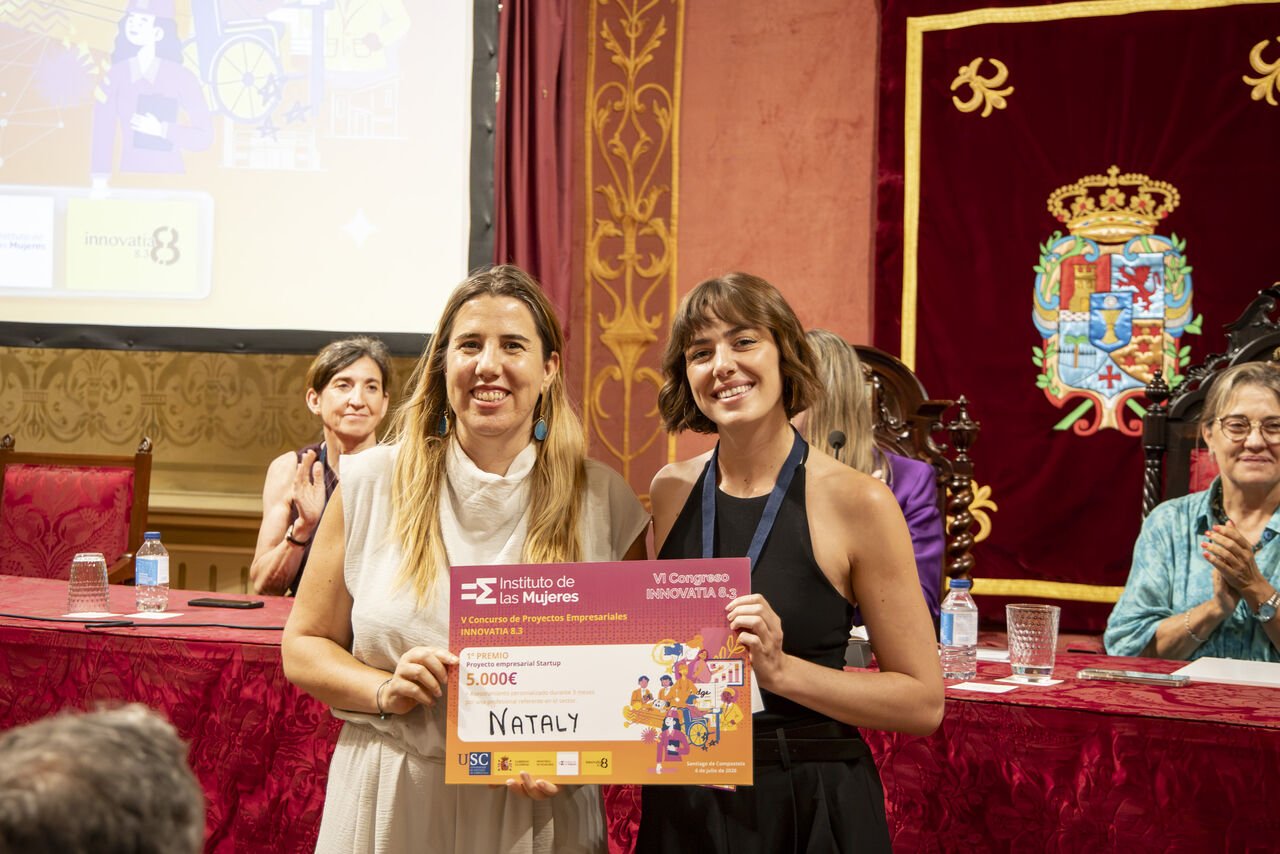
![Olivia Génova receiving the Innovatia 8.3 prize]()
Nataly wins the Innovatia 8.3 Award in the Startup category
July 6th, 2026
-
![StartUB! offices]()
Nataly joins StartUB! with a new workspace at the University of Barcelona
July 1st, 2026
-
![Olivia Génova receiving the Círculo Ecuestre prize]()
Nataly wins the Joven Relevante Award by Círculo Ecuestre
May 14th, 2026
-
![Certifies as an emerging company from the Ministry of Industry and Tourism, with a red and white logo featuring a stylized arrow and the text 'enisa'.]()
Nataly is officially recognized as an innovative startup by ENISA
February 12th, 2026
-
![Awarded 2nd best Catalan startup of 2025 at Tech Spirit Barcelona 2025]()
Awarded 2nd best Catalan startup of 2025 at Tech Spirit Barcelona 2025
December 22nd, 2025
-
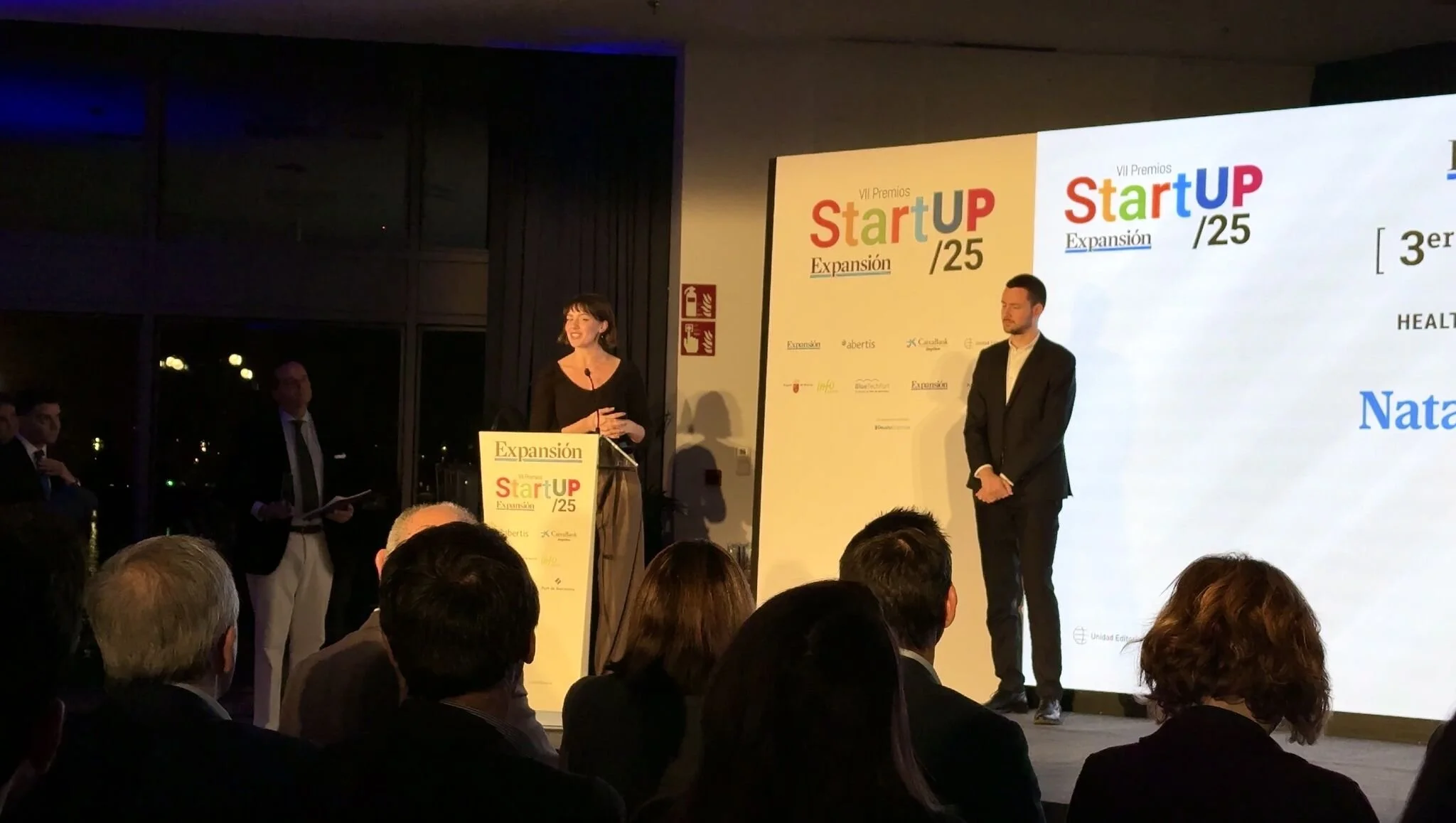
![Nataly Premio Expansión StartUp]()
Nataly is awarded 3rd prize in the VII Expansión StartUp Awards 2025
December 9th, 2025
-
![Nataly team - Ajuntament de Barcelona]()
Ajuntament de BCN Featured Nataly in the “Fem la Barcelona de la teva vida” TV Campaign
December 3rd, 2025
-
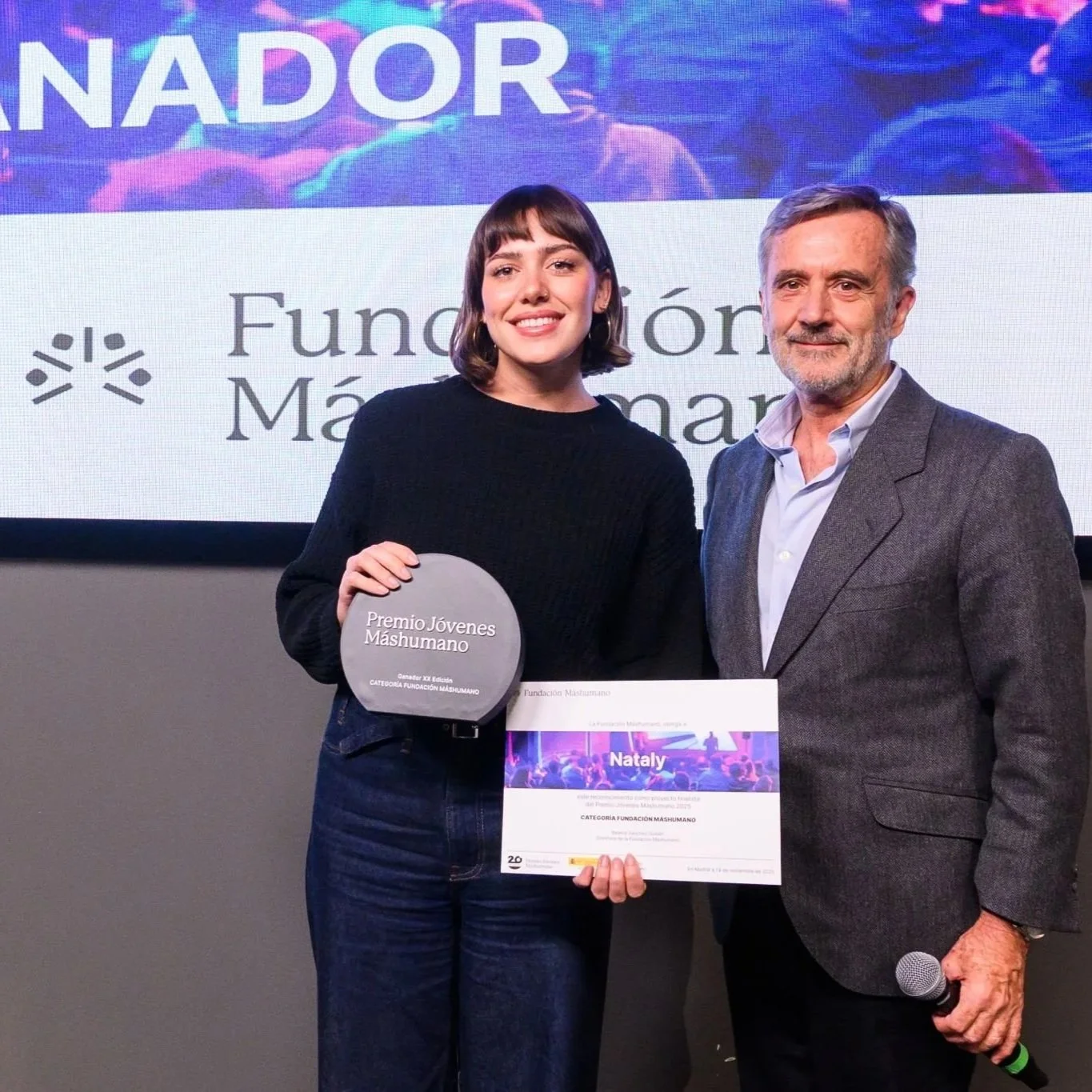
![Young woman holding an award and certificate standing next to an older man with a microphone in his hand, on stage with a large screen displaying logos and text in the background.]()
Winners of the Fundación Máshumano Award at the XX Jóvenes Máshumano
November 19th, 2025
-
![Logo for Santander X, a program by Santander, with the text 'Santander X' in red and purple, and the Santander flame icon below.]()
Winners of the Santander X Spain Awards – University Startup 2025
July 17th, 2025
-
![A woman taking a mirror selfie in a bright room, smiling, wearing a white blouse with a black floral pattern, black pants, and carrying a brown bag.]()
Meet Ava! She is joining us this summer all the way from Granville, Ohio.
June 4th, 2025
-
![Two people smiling for a selfie in front of a sign with purple flowers spelling out 4YFN]()
March Recap. Big steps, key milestones — here’s what we’ve been up to!
March 28th, 2025